English
 Cymraeg
 Français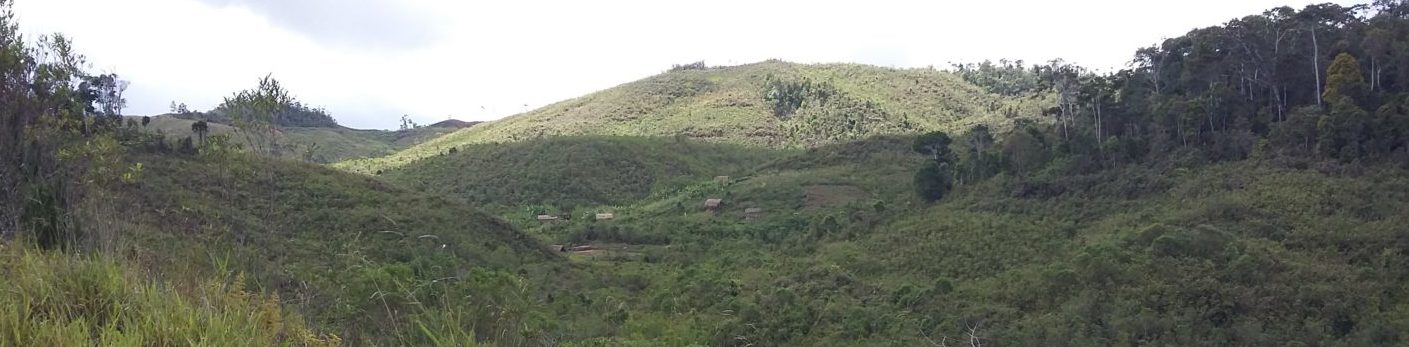
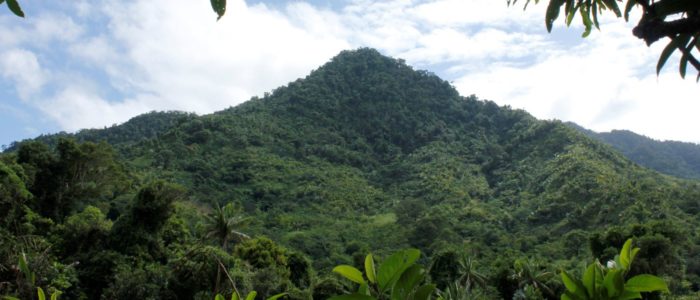
The forest Reserve of Betampona, on the East Coast of Madagascar is one of the last surviving lowland forests on the island. It is home to thousands of endemic species, including critically endangered lemurs such as the Aye-Aye. However, the survival of this precious forest remnant is threatened by the extreme poverty of the local population living on the periphery of the Reserve who rely directly on the natural environment to meet their basic needs for food, firewood and shelter. MfM’s Betampona livelihoods project takes a long-term approach to supporting families living around the reserve to develop sustainable alternatives to the destructive practice of slash and burn agriculture (tavy). For over 30 years, MfM has focused on helping people to overcome their problems, to value and protect the land and to live off it in a sustainable yet profitable way.
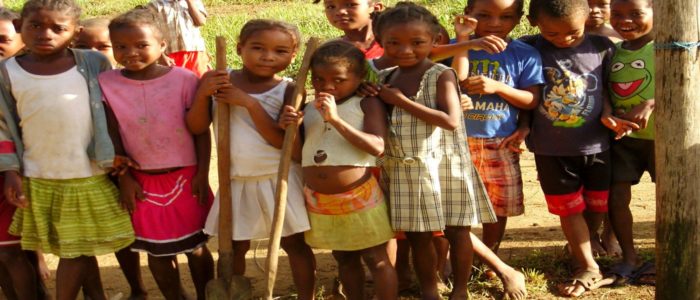
Since 1989, we have been supporting our partners in Betampona to:
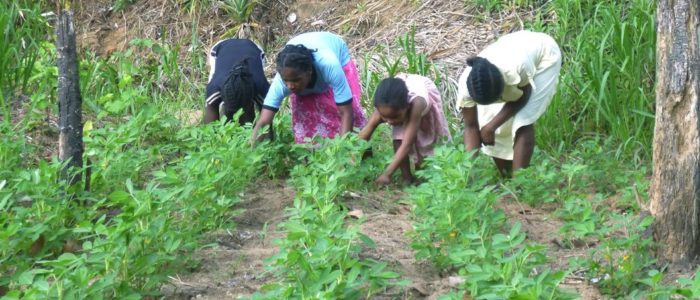
1. Improve the lives of local families through a programme of activities aimed at optimising use of already cleared land and sustainably improving food security, nutrition and income.
2. Protect the precious habitat and biodiversity in and around the Special Reserve.
For more than 30 years, SAF’s team of experienced, locally based, agricultural technicians have been visiting farmers in their villages, taking the time to understand their problems and then offering the training, tools and on-going technical assistance needed for developing improved sustainable livelihoods.
The project, which began in 5 communities surrounding the reserve, has now spread to 100 communities covering over 600km2.
Thousands of subsistence farming families have been able to sustainably improve their lives and build a better future for their children. A recent evaluation for one of our major donors showed that:
• On average households doubled their income within 3 years, enabling them to send their children to school and pay medical costs;
• Nutrition was significantly improved and hunger reduced with the average household increasing the number of crops grown from 2 to 10 and rice yields increasing by up to 6 times.
4,432 people have directly benefitted from involvement in project activities whilst 32,000 have benefitted indirectly from copying their neighbours’ new practices.
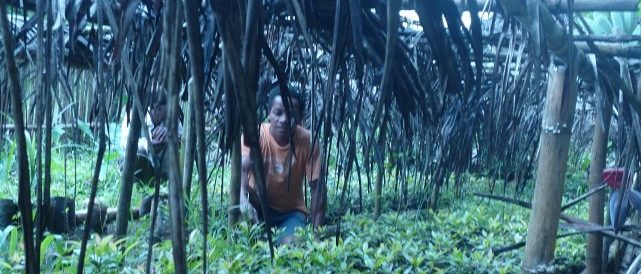
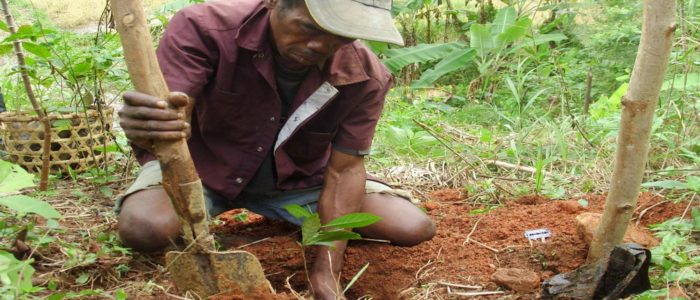
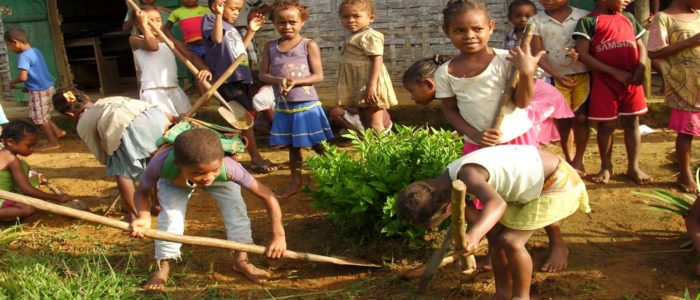
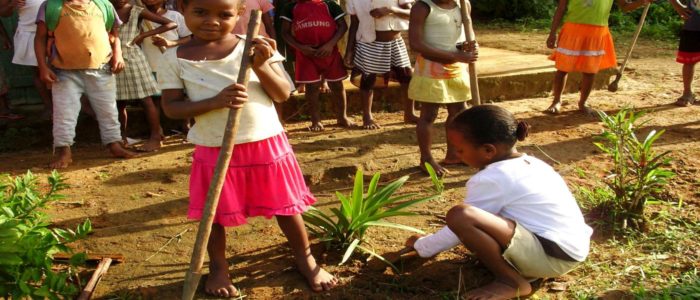
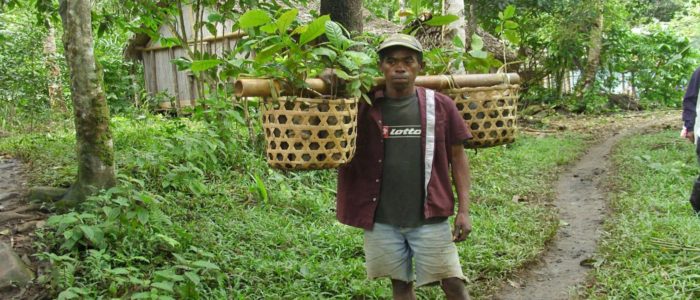
One of the secrets of the Betampona project’s success is the long term, people centred approach taken by SAF’s committed team of technicians and community workers. The dedicated staff team have established a deep respect and trust with the villagers. Their long-term commitment and support means that benefits are durable and far-reaching. Instead of cutting down new forest every year to try to meet their basic needs, forest communities invest in infrastructure such as rice fields, dams, ponds and animal pens, to get more out of their existing land. By planting productive trees farmers gain a stake in the forest and are motivated to value and protect it.
Key activities include:
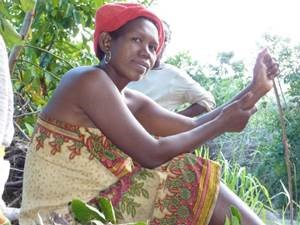
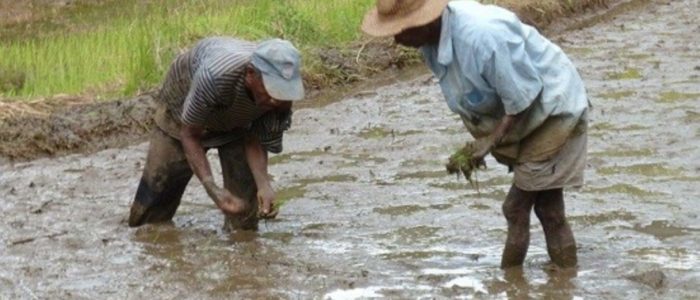
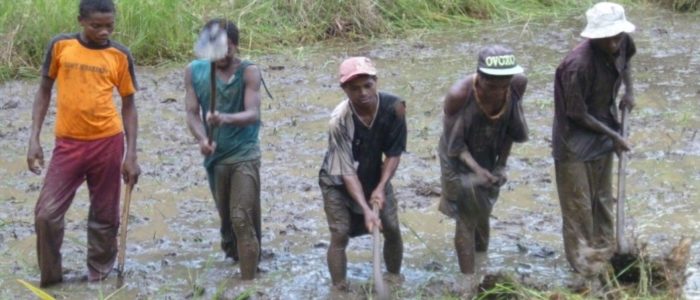
Rice is more than just a staple in Madagascar. It is the heart of the Malagasy diet. This year, Madame Alima’s family are celebrating finally being able to grow rice on land that had been unusable for the past 15 years. The team at SAF Betampona have provided them with the materials and technical support to construct a dam, which will irrigate the land for 12 families. With irrigated land and using improved cultivation techniques, learnt from the SAF team, they are able to produce enough rice to feed their family throughout the year.
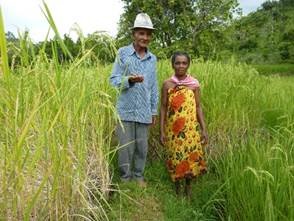
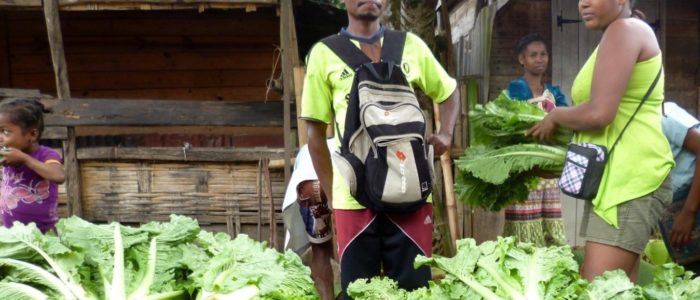
Monsieur Justin works the land with his wife Sariaka . Over the years they have benefitted from the on-going technical support provided by the SAF Betampona team. M. Justin has been so impressed with the improvements in his production that he has chosen to become a ‘lead farmer’, sharing his learning with friends and neighbours. Thanks to the support of SAF, M. Justin has diversified his livelihood producing enough both to feed his family and to sell. With fish from their ponds, fruit from their trees, vegetables from their kitchen garden and rice from their paddies, they can have a balanced diet through the year without needing to encroach on the rainforest.
Latest News and Appeals
Donate Now