Malagasy
 Cymraeg
 Français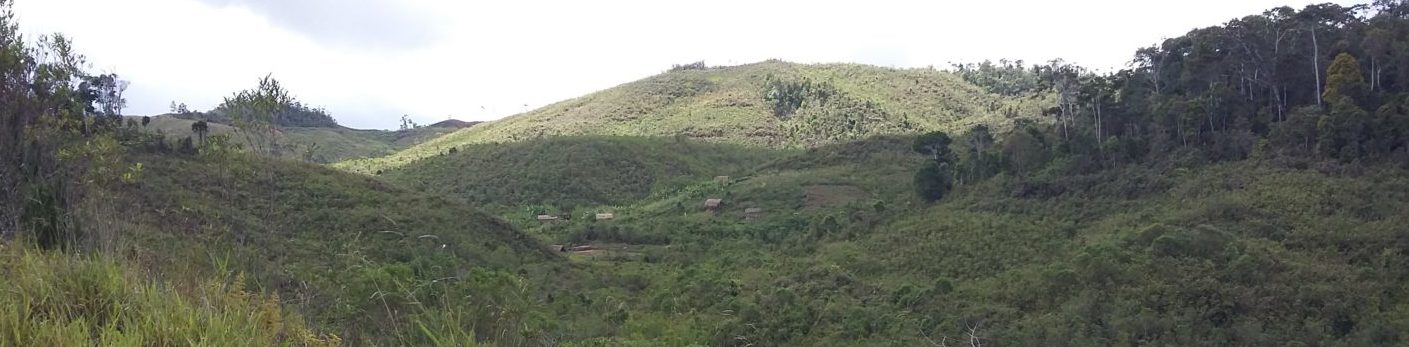
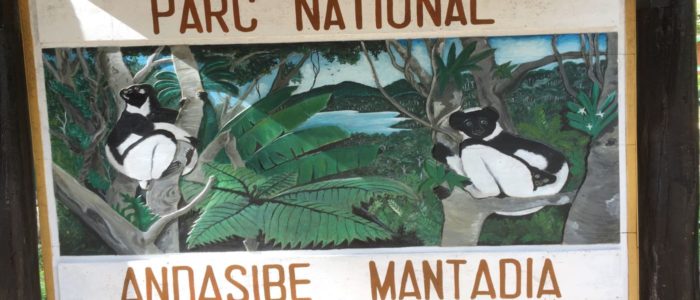
Torotorofotsy Wetland, located near to the Andasibe Mantadia National Park, supports an exceptional level of biodiversity. Its mosaic of wetland and rainforest is home to iconic but critically endangered species such as the golden mantella frog, the greater bamboo lemur and the black and white ruffed lemur. In recent years, despite official protected status, the unique wetland and forests have been seriously degraded. MfM is working with local community association, Mitsinjo, to restore the unique rainforests in all their diversity and to support local families to feed themselves and improve their standard of living without needing to resort to environmentally-destructive practices.
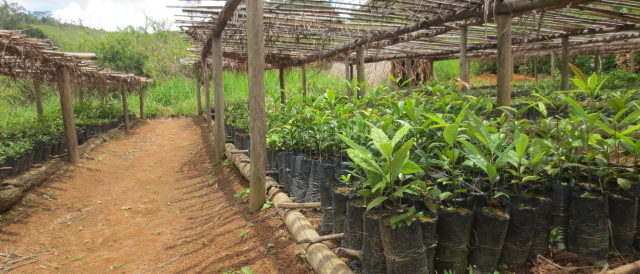
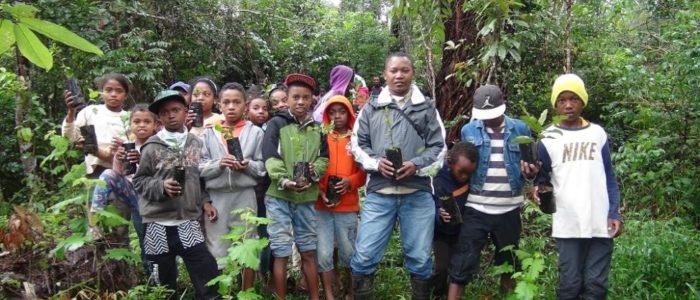
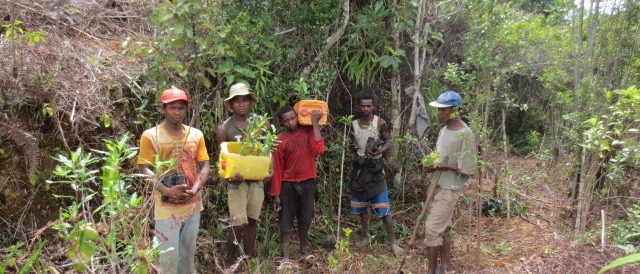
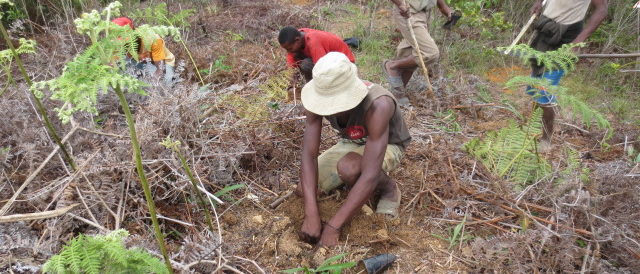
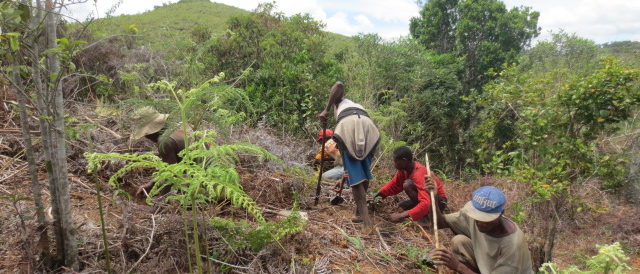
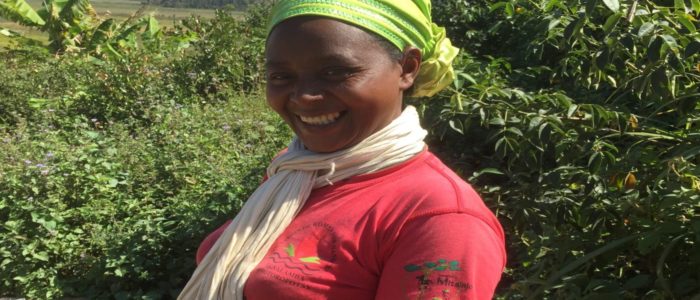
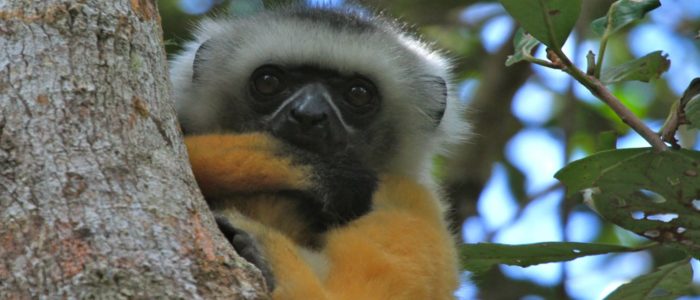
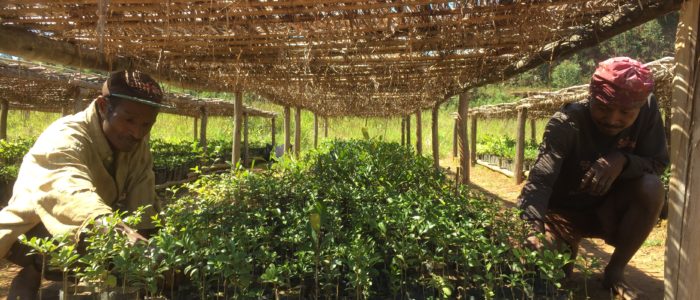
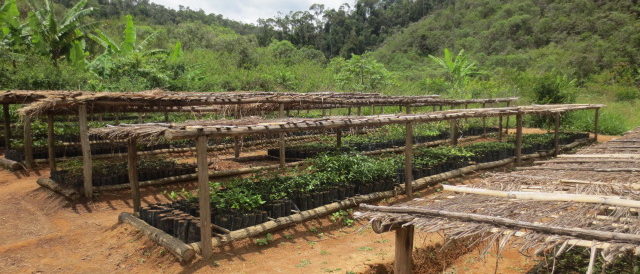
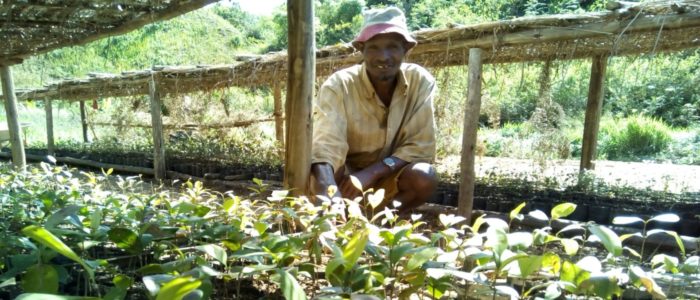
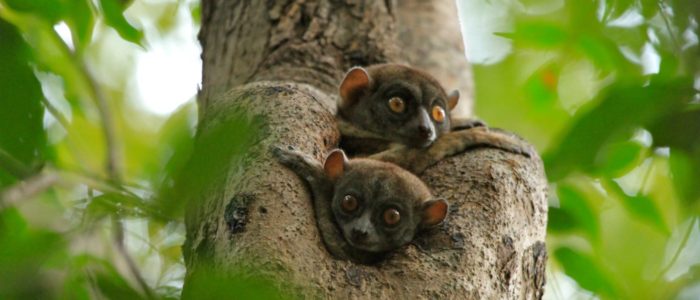
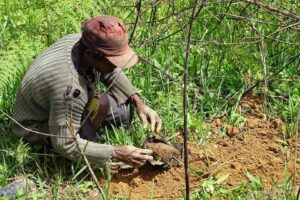
Since 2015, MfM has been working in partnership with Association Mitsinjo to gradually increase the area of forest around Andasibe, at a rate of about 10ha per year. Reforestation work has provided vital employment opportunities for local people and environmental education has helped to raise awareness of the value of the forests. By planting corridors to join isolated fragments of primary forest, the project also extends the habitat for many endangered species.
What are the benefits so far?
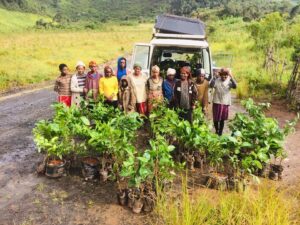
In the areas already planted, reforestation has brought immediate benefits to the land by preventing soil erosion and increasing water absorption. In the longer term, Mitsinjo’s painstaking restoration technique provides the best conditions for the natural forest to regenerate. By using a mix of up to 60 carefully selected indigenous species, the Mitsinjo reforestation team harnesses the power of nature to complete the restoration process: by including a range of fast growing fruit trees, attractive to seed dispersers such as birds, fruit bats and lemurs, the team ensures wildlife is drawn to the replanted areas, bringing in seeds from other plants in their faeces and facilitating the return of the natural forest. Natural forest restoration is not a fast process, but replanted areas have seen the return of key indicator species such as the Blue Coua and brown lemurs.
The importance of livelihoods for long term success
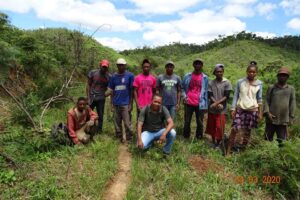
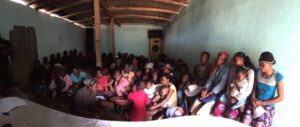
MfM’s reforestation work with Mitsinjo has always considered the needs of the local population and has emphasised ensuring local employment in reforestation, protection and ecotourism. New funds starting in 2020 have made it possible to embark on sustainable livelihoods development in the hamlets of Sahatay and Sahakoa, in the Torotorofotsy buffer zone.
Supporting the development of sustainable livelihoods in these isolated communities is vital for the long-term success of Mitsinjo’s conservation and restoration efforts. Ninety per cent of the population living around the Torotorofotsy Protected Area are extremely poor and heavily dependent on the forest and wetland to meet their basic needs. Away from the eco-tourism hub of Andasibe village, they do not currently reap the obvious benefits of keeping the forest intact. Without their support for forest restoration and conservation, however, unsustainable subsistence agriculture, wildlife poaching and illegal logging will continue unabated, transforming this unique ecosystem into rice fields and destroying its rich biodiversity.
We urgently want to scale up the pace of this important work and to increase investment in both reforestation and strengthening livelihoods for the long-term, to restore and protect the forest. Click Here if you are interested in helping us to do this.
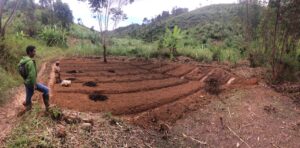
MfM’s project works to help families from the isolated and impoverished communities around Torotorofotsy to engage positively in forest restoration so they have a stake in protecting the newly planted trees and to develop improved agricultural practices which will increase their yields while reducing pressure on the ecosystem. The project has three main strands:
Latest News and Appeals
May 2020 Mitsinjo update
2024 Mitsinjo update
Donate Now