Mae’n ddrwg gen i, mae’r cofnod hwn dim ond ar gael mewn English.
The African Union Commission has carried out a humanitarian assessment and solidarity mission in Madagascar following Cyclone Gezani, and has highlighted shelter, food and health as urgent needs in its wake.
The Commission, which carried out its assessment in Toamasina, which is the major city worst hit by the cyclone, has donated US$20,000 worth of food and other items to vulnerable households, as well as US$200,000 from its Humanitarian Gesture Fund to support ongoing relief work.
Gezani made landfall in Toamasina, Madagascar’s largest port city, on Tuesday 10th February. Its winds reached 155mph, and devastated the city, as well as large areas of its surrounding region.
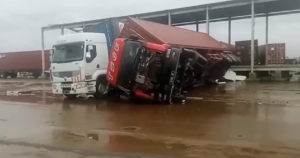
At least 62 men, women and children were killed, and 804 injured by the disaster, which has destroyed at least 25,000 houses and forced more than 35,000 people from their homes.
The Commission reports that at least 478,000 people have been affected by Gezani, and numbers are likely to increase as rescue efforts continue and more affected areas are reached.
Following its visit to Toamasina, the Commission noted ‘severe sectoral impacts’ including:
-
An acute shelter crisis with over 25,000 homes destroyed, with local actors placing the gap in shelter needs at more than 70 per cent
-
Disrupted food security due to crop destruction and damage to logistics hubs like the port of Toamasina
-
Increased risks of waterborne diseases from damaged water and sanitation systems
-
Strained health services and protection concerns for vulnerable groups, including an estimated 6,000 displaced children
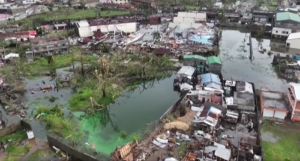
The team also visited the Tomatav 2 region, which was also severely hit by Gezani, and noted that: ‘The situation remains at a critical stage, with ongoing infrastructure challenges, persistent needs, and livelihood pressures. Sustained, targeted support to vulnerable groups is needed to ensure no one is left behind.
‘Priority needs for the coming months, include emergency shelter, food assistance, water and sanitation services, and emergency healthcare.
‘Short-term recovery efforts are expected to focus on rehabilitating water systems and health and electricity infrastructure. Long-term support will be crucial for livelihood recovery, shelter reconstruction, and strengthening disaster risk reduction measures to build resilience against future climate-related shocks.’
We at Money for Madagascar are supporting the national Malagasy recovery appeal, including providing food and assisting schools with material and equipment, and we are working closely to support our partner SAF Melaky as it works to provide food and assist Malagasy communities with recovery and rebuilding efforts. You can donate by clicking the banner below. Thank you!


 English
 Malagasy
 Français