(English) COP30: What we need

Mae’n ddrwg gen i, mae’r cofnod hwn dim ond ar gael mewn English. World leaders have gathered in Belem, Brasil under the ongoing shadow of the climate catastrophe, for the 30th UN Climate Change Conference (COP30). The summit has begun with the world in an unprecedented level of risk from – and in the case of Madagascar experience of…

Read more

(English) Economy and ecology: Rajoelina sets priorities at UN

Mae’n ddrwg gen i, mae’r cofnod hwn dim ond ar gael mewn English. Malagasy President Andriy Rajoelina used his speech to the UN General Assembly to focus on the Malagasy economy, and its environment, noting both require and deserve help from beyond the Malagasy borders. Speaking at the UN General Assembly on Wednesday (24th September) Rajoelina said the African…

Read more

(English) Malagasy fady may have kept new gecko from extinction

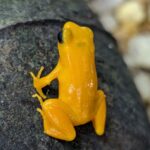
Mae’n ddrwg gen i, mae’r cofnod hwn dim ond ar gael mewn English. A newly-described species of gecko may have been saved from extinction by local fady – traditional taboos or cultural prohibitions – connected to the few places in which it lives. An international team of biologists has described and named the nocturnal gecko, with mottled brown skin…

Read more

(English) Verraux’s lemur – an addition which could make a difference

Mae’n ddrwg gen i, mae’r cofnod hwn dim ond ar gael mewn English. Two lemurs have been added to the list of the 25 most-endangered primates on Earth. But there are hopes that one may spark new interest in and protection for, a vital ecological habitat. Madagascar is the only country on Earth to which lemurs are native, but…

Read more

(English) 90 per cent of Malagasy people living in poverty

Mae’n ddrwg gen i, mae’r cofnod hwn dim ond ar gael mewn English. On Thursday 5th June 2025, the World Bank updated its – and the world’s – poverty metric. Up to that date, the international poverty baseline – the line below which anyone is defined as living in poverty – had been an income of US$2.15 (£1.59 at…

Read more

(English) MfM Partners in Dynamic, Innovative Nursery Workshop

Mae’n ddrwg gen i, mae’r cofnod hwn dim ond ar gael mewn English. Money for Madagascar is delighted to have been invited to participate in an innovative international tree-growth and care initiative. The Darwin Nursery Exchange Project is in its final year and its last ‘nurserymen workshop’ – designed to share best practice, experience and build networks in creating…

Read more

(English) MfM Joins Malagasy NGO Network

Mae’n ddrwg gen i, mae’r cofnod hwn dim ond ar gael mewn English. We at Money for Madagascar are proud to have become a member of the Population Health Environment Madagascar Network (PHE). The 88-member network unites health and environmental organisations, helping one another work with and for more than 830,000 men, women and children in remote and threatened…

Read more

(English) Development and Environment: cooperation, not competition

Mae’n ddrwg gen i, mae’r cofnod hwn dim ond ar gael mewn English. Madagascar has led calls for Southern African nations to increase their manufacturing capacity to 30 per cent of their GDP by 2030. The island republic on Sunday (17th August) hosted the 45th Southern African Development Community (SADC) Summit of Heads of State and Government – the…

Read more

(English) The World Must Listen: the mental and physical impacts of climate catastrophe on Madagascar

Mae’n ddrwg gen i, mae’r cofnod hwn dim ond ar gael mewn English. Two reports in recent days have addressed the severity of climate catastrophe’s impact on Malagasy men, women and children. Amnesty International has issued an extremely critical report regarding the treatment of more than 90,000 Antandroy men, women and children who have been forced to flee the…

Read more

(English) Independence Day: history and what comes after

Mae’n ddrwg gen i, mae’r cofnod hwn dim ond ar gael mewn English. Today marks the start of the 66th year of the modern state of Madagascar. Malagasy people gained their full independence from France, officially, on 26 June 1960. Celebrations usually begin the night before, with celebrations including harendrina and tsipoapoaka (paper lanterns and firecrackers), to banish the ‘darkness…

Read more

Social media & sharing icons powered by UltimatelySocial
Instagram